Broomstick Bikeshare
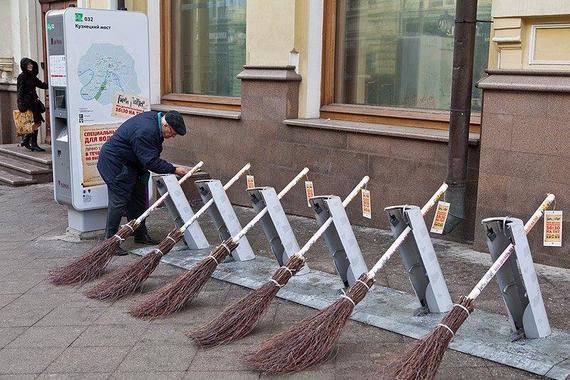
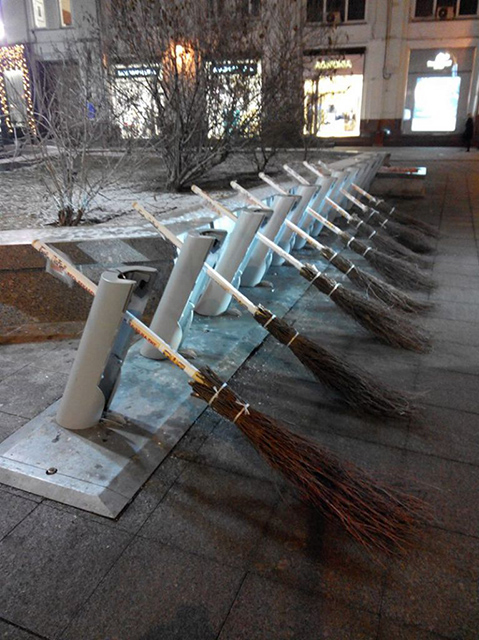
In December 2014, TNT was airing all eight Harry Potter films. To make sure all of Moscow knew about it, magic broomsticks replaced bicycles at regular bikeshare stations — complete with instructions for use, website registration, and a mandatory selfie with a hashtag.
Bikeshare as an entry point into the world of Hogwarts
At regular Moscow bikeshare stations, magic broomsticks replaced the bikes — with detailed instructions written in the spirit of the Harry Potter universe. To "rent" a broomstick, you had to register on the TNT website. Then came the mandatory condition: photograph yourself with the broomstick and post the selfie on social media with five campaign hashtags.
The mechanic works on multiple levels at once: the offline installation attracts passers-by, the online registration builds a database, and UGC with hashtags distributes the content organically. All of it is wrapped in the logic of a world the audience already loves.
A stolen broomstick is a news story
When broomsticks started disappearing from the stations, TNT didn't hide it — instead, they reported the "thefts" in the same playful tone as the campaign itself. Each incident became additional content. The mischievous detail became part of the story and amplified the viral effect.
Promo sells an experience, not a product
"TNT's promo doesn't sell apartments and fitness clubs — it sells content that is inherently interesting, high quality and funny." That was the channel's approach to off-air marketing. Broomstick Bikeshare is a precise expression of this principle: the tool doesn't advertise a show, it becomes entertainment in its own right.
Part of a broader off-air strategy
Broomstick Bikeshare was not a one-off stunt — it was part of TNT's systematic approach to off-air marketing: building a presence beyond the TV screen through offline activations, viral videos and social media. Harry Potter is the ideal material: a massive fanbase, a rich universe, and the "what if this were real" mechanic works every time.